

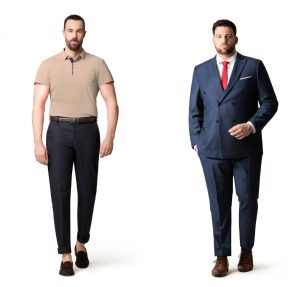


Safety programs often focus heavily on class ratings and fabric type while overlooking a factor that affects both compliance and genuine protection just as directly: fit. For crews who don’t fit standard sizing, big and tall safety shirts are not simply a comfort upgrade. Properly sized high-visibility apparel is essential to ensuring the certified background and retroreflective material actually covers the body the way the ANSI/ISEA 107 standard intends, something a standard-size shirt stretched or pulled tight across a larger frame cannot reliably guarantee.
The ANSI/ISEA 107 standard specifies minimum amounts of background and retroreflective material required for each performance class, and this material is positioned based on expected garment fit and torso coverage. A shirt sized too small for a larger worker doesn’t just feel uncomfortable. It can cause reflective striping to sit in the wrong position, pull away from intended placement points, or fail to wrap the torso with the coverage the standard assumes, effectively undermining the visibility performance the garment is certified to provide. This makes proper big and tall sizing a genuine safety issue, not merely a matter of individual comfort or fit preference.
For installation crews specifically, this issue compounds with the physical demands of the job. Climbing ladders, reaching overhead to hang displays, and carrying bins of inventory all require a full, unrestricted range of motion through the shoulders and torso. A shirt that fits too tightly across the chest or restricts arm movement doesn’t just create discomfort. It can genuinely interfere with the physical tasks installation work requires, increasing fatigue and, in some cases, creating its own safety risk if a worker feels compelled to adjust or compensate for ill-fitting gear mid-task.
Length also matters more than many safety programs account for, particularly for taller workers performing overhead work on ladders or lifts. A shirt that rides up during reaching or climbing motions can leave gaps in visibility coverage exactly during the movements, overhead reaching, extended arm positions, that make a worker’s silhouette harder to identify at a distance. Properly proportioned big and tall shirts, built with additional torso length rather than simply wider standard cuts, address this specific issue directly, keeping coverage consistent through a full range of installation-specific movement.
Warehouse managers and installation companies outfitting diverse crews should treat big and tall sizing as a standard part of seasonal inventory planning rather than a specialty afterthought ordered only when a specific need arises mid-season. Given the physical demands and tight scheduling of peak holiday installation work, having properly sized gear available from the start of the season, rather than scrambling to source it once a fit issue is identified, avoids both compliance gaps and unnecessary delays to a crew’s productivity.
Comfort considerations that apply broadly across high-visibility apparel, breathable fabric, moisture-wicking performance, remain just as relevant for big and tall sizing, and workers should not have to sacrifice these features simply because they fall outside standard size ranges. A properly sized shirt built with the same fabric quality and construction standards as standard sizing ensures every member of a crew receives the same level of comfort and protection, regardless of body type.
Treating sizing as a genuine safety consideration, not just a fit preference, reflects a more complete understanding of what actually keeps a diverse crew visible and protected throughout a demanding season. Commercial decorators, professional installers, warehouse managers, and large-scale event venue teams looking to properly outfit every member of their crew, regardless of size, can find a full range of big and tall ANSI-compliant options at National Safety Gear, where fit and genuine compliance are treated as equally essential to crew safety.