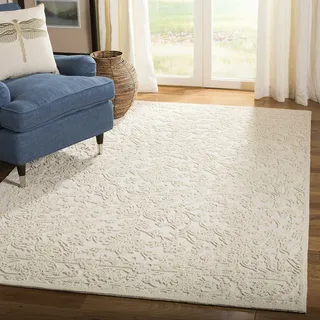



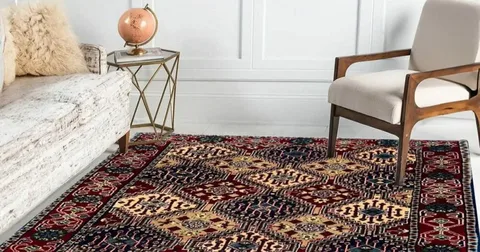
Artisans craft handmade traditional rugs through a meticulous process of sourcing natural fibers like wool and silk, dyeing them with traditional techniques, and hand-knotting or hand-tufting the threads on a loom. Finally, they wash, shear, and inspect the rug to ensure its quality and longevity.
Walk into a room with a handmade traditional rug, and you immediately feel the warmth and history it brings to the space. People have woven these textiles for centuries, passing down techniques from one generation to the next. They offer much more than a simple floor covering. They hold cultural significance, representing the stories and heritage of the communities that make them.
Skilled artisans dedicate their lives to this craft. They spend countless hours tying individual knots and carefully finishing each piece. Despite the rise of machine-made alternatives, the demand for authentic, handcrafted textiles remains strong. Buyers appreciate the unmatched quality and character that only human hands can provide.
If you want to understand the true value of these textiles, you need to look at how they are made. This guide breaks down the entire process, from sourcing raw materials to the final inspection. You will learn exactly what goes into crafting a traditional rug, making it easier to choose a high-quality piece for your own home.
How do artisans source materials for traditional rugs?
The journey of every great rug starts with the raw materials. Artisans rely on natural fibers like wool, silk, and cotton to build a strong foundation and a beautiful pile.
Wool provides excellent durability and warmth, making it the most common choice. Silk adds a soft texture and a slight sheen, often used to highlight specific design details. Cotton typically serves as the base, giving the rug structural stability. Artisans pay close attention to the origin of these materials, as high-quality fibers ensure the final product lasts for decades. Once they select the right fibers, workers clean and spin them into yarn, preparing them for the dye baths.
What dyeing techniques create vibrant rug colors?
Color breathes life into the yarn. Artisans use traditional dyeing techniques to achieve vibrant and lasting hues. They often prefer natural dyes sourced from plants, roots, and insects. These natural options offer rich, nuanced shades that synthetic dyes struggle to replicate.
The process involves boiling the spun yarn in large vats of colored water. Workers monitor the temperature and time to ensure the dye penetrates the fibers evenly. Natural dyes not only produce striking colors but also age beautifully over time. As the rug sees years of use, the colors often soften into attractive, mellow tones.
How do weavers craft rugs by hand?
Once the yarn is ready, the actual weaving begins. This stage requires immense patience and skill.
How does the traditional loom work?
The loom acts as the frame for the entire project. Artisans stretch vertical threads, known as the warp, tightly across the loom. These threads form the skeleton of the rug. As weavers work, they interlace horizontal threads, called the weft, to secure the knots in place.
What is the difference between hand-knotting and hand-tufting?
Hand-knotting involves tying individual knots to the warp threads. This method creates a highly durable rug that can last generations. Hand-tufting, on the other hand, uses a specialized tool to punch yarn through a canvas backing. While tufting is faster, hand-knotted rugs generally offer superior longevity and value.
How do artisans tie each knot?
In a hand-knotted piece, a weaver ties thousands—sometimes millions—of individual knots. They loop the dyed yarn around the warp threads, pull it tight, and cut the excess. They repeat this process row by row. It takes incredible precision to maintain the correct tension and ensure the design lines up perfectly.
How are rug patterns passed down through generations?
Weavers do not usually rely on printed manuals. Instead, they follow a “talim,” a traditional map of codes that dictates the color and placement of each knot. Master weavers teach these patterns to younger artisans, keeping historical designs alive.
What finishing steps bring a handmade rug to life?
When the weaving finishes, the rug is not yet complete. Artisans remove it from the loom and begin the finishing touches.
First, they shear the pile. A worker carefully trims the surface to an even height, which makes the pattern sharp and clear. Some rugs also receive hand-carving, where artisans cut slightly deeper around specific motifs to give the design a three-dimensional effect.
Next, they wash the rug vigorously to remove loose fibers, dust, and excess dye. The drying process usually happens under the natural sun. Finally, inspectors examine the rug closely. They check the edges, the pile consistency, and the overall structural integrity before approving it for sale.
How does rug making impact artisan communities?
Rug making does more than produce beautiful decor; it sustains entire communities. In places like Bhadohi, India, this craft provides a vital source of income.
Companies that prioritize fair trade practices empower these artisans. For example, brands like The Ambiente employ a network of local weavers, including over 4,000 women. This work allows women from various walks of life to earn a sustainable livelihood, gain recognition for their skills, and support their families. When you purchase a handcrafted piece, you directly support these communities and help keep this time-honored craft alive.
Why should you buy traditional handcrafted rugs?
Machine-made options might cost less upfront, but handcrafted rugs offer distinct advantages that justify the investment.
- Durability and longevity: A tightly woven, hand-knotted rug withstands heavy foot traffic and can last a lifetime.
- Unique aesthetic appeal: Because human hands tie every knot, no two rugs look exactly alike. Each piece carries its own story and slight variations.
- Supporting craftsmanship: Buying these rugs keeps traditional skills relevant in a modern economy.
If you plan to buy traditional rugs, you need to focus on quality and authenticity. Look for transparent sellers who discuss their sourcing and manufacturing processes openly.
A timeless investment for your home
The careful selection of natural fibers, the traditional dyeing methods, and the painstaking knotting process all contribute to a product of exceptional value. Handmade rugs do not just cover your floors; they add character, warmth, and history to your home.
If you want a piece that combines durability with authentic artistry, you can buy traditional rugs in India directly from sources like The Ambiente, which blends 30 years of expertise with modern design. Ready to find the perfect fit for your space? You can easily buy rugs online and bring this incredible craftsmanship straight to your doorstep.
Frequently Asked Questions about handmade rugs
How long does it take to make a handmade traditional rug?
Depending on the size and knot density, a hand-knotted rug takes anywhere from three months to over a year to complete. The artisan ties every single knot by hand, which requires significant time and patience.
Are natural dyes better than synthetic dyes?
Natural dyes generally age better and provide richer, more nuanced tones. They also tend to be safer for the environment. However, high-quality synthetic dyes can also produce vibrant, colorfast results.
How can I tell if a rug is hand-knotted or machine-made?
Turn the rug over. A hand-knotted rug shows the exact pattern on the back, and the knots look slightly uneven because they are tied by hand. Machine-made rugs usually have a uniform backing, often covered by a synthetic mesh or glue.
Where is the best place to purchase these rugs?
You can buy rugs online through reputable ateliers that partner directly with weaving communities. Brands based in weaving hubs like Bhadohi, India, offer authentic, high-quality pieces directly from the artisans.