



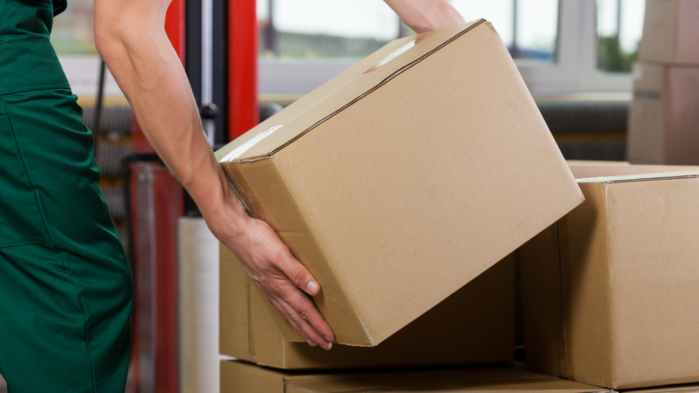
Shipping products safely is one of the most important responsibilities for businesses, online retailers, and even individuals sending personal packages. A damaged shipment can lead to unhappy customers, costly replacements, delayed deliveries, and a negative brand reputation. This is why choosing the right shipping boxes and using proper packaging techniques are essential for safe delivery.
Shipping boxes do more than simply hold products. They protect items from impacts, vibration, pressure, moisture, and rough handling during transportation. Whether shipping fragile electronics, retail products, household goods, or industrial supplies, proper packaging helps ensure products arrive in excellent condition.
Modern shipping environments involve many handling stages, including:
- Warehousing
- Conveyor systems
- Truck transportation
- Sorting facilities
- Last-mile delivery
Packages may be dropped, stacked, compressed, or moved repeatedly before reaching the customer. Without proper packaging, products become vulnerable to damage throughout the shipping process.
This guide explains essential packaging tips that help improve shipping safety while reducing damage risks and enhancing customer satisfaction.
Why Safe Packaging Matters
Safe packaging protects both products and business reputation.
Damaged shipments often lead to:
- Customer complaints
- Product returns
- Refund requests
- Increased shipping costs
- Negative reviews
Proper shipping boxes and packaging methods help:
- Reduce breakage
- Improve delivery reliability
- Maintain product quality
- Increase customer confidence
Businesses that invest in secure packaging often experience fewer shipping-related problems and better long-term customer relationships.
Choose the Right Shipping Box Size
Selecting the correct box size is one of the most important packaging decisions.
Problems with Oversized Boxes
Boxes that are too large create excessive empty space.
This allows products to:
- Shift during transit
- Collide with box walls
- Experience impact damage
Oversized boxes also increase:
- Void fill usage
- Shipping costs
- Dimensional weight charges
Problems with Undersized Boxes
Boxes that are too small may:
- Compress products
- Reduce cushioning space
- Weaken structural protection
The ideal shipping box should fit the product securely while leaving enough room for protective cushioning materials.
Understand Corrugated Shipping Boxes
Most shipping boxes are made from corrugated cardboard.
Corrugated boxes contain:
- An outer liner
- A fluted middle layer
- An inner liner
This layered structure provides:
- Strength
- Cushioning
- Compression resistance
- Durability
Corrugated shipping boxes are widely used because they balance protection with lightweight efficiency.
Use the Correct Box Strength
Different products require different box strengths.
Lightweight products may only need standard single-wall corrugated boxes.
Heavy or fragile items often require:
- Double-wall corrugated boxes
- Reinforced packaging
- Stronger construction
Weak boxes can collapse or tear during transportation, especially during long-distance shipping.
Protect Fragile Items Properly
Fragile products need additional cushioning protection inside the box.
Common protective materials include:
- Bubble roll
- Packing paper
- Foam inserts
- Air pillows
- Corrugated inserts
These materials help absorb:
- Shock
- Impact
- Vibration
- Compression
Proper cushioning reduces movement inside the package and helps prevent breakage.
Wrap Products Individually
Fragile products should usually be wrapped separately before being placed inside the shipping box.
Individual wrapping helps prevent:
- Surface scratches
- Product collisions
- Cracking during movement
Glassware, ceramics, electronics, and collectibles especially benefit from individual protection.
Fill Empty Space Inside the Box
Empty space inside a shipping box allows products to move during transportation.
Movement increases the risk of:
- Impact damage
- Corner crushing
- Surface scratches
Void fill materials such as:
- Bubble wrap
- Packing peanuts
- Air cushions
- Crumpled paper
help stabilize products and reduce shifting.
Seal Boxes Securely
Even strong shipping boxes can fail if sealed improperly.
High-quality packing tape should be used to:
- Reinforce seams
- Secure box flaps
- Prevent accidental opening
The H-taping method is commonly recommended because it strengthens both the center seam and box edges.
Consider Product Weight
Heavy products place more stress on shipping boxes during handling and stacking.
Heavy shipments may require:
- Double-wall corrugated boxes
- Reinforced tape
- Extra cushioning
- Smaller packaging sizes to prevent overloading
Using weak boxes for heavy items increases the chance of packaging failure.
Label Packages Clearly
Shipping labels should always be:
- Easy to read
- Securely attached
- Positioned clearly on the box
Fragile labels may also help encourage careful handling, although packages should still be packed to withstand normal transportation conditions.
Protect Against Moisture
Packages can sometimes encounter rain, humidity, or damp warehouse conditions during shipping.
Moisture-resistant packaging methods may include:
- Plastic liners
- Waterproof tape
- Protective wrapping materials
Protecting products from moisture is especially important for:
- Electronics
- Printed materials
- Clothing
- Paper products
Use Specialized Packaging for Certain Products
Some products require specialized shipping solutions.
Electronics
Electronics often need:
- Anti-static materials
- Foam protection
- Strong corrugated boxes
Glassware
Glass products require:
- Cushioning layers
- Divider inserts
- Reinforced boxes
Artwork and Frames
Artwork benefits from:
- Corner protectors
- Bubble cushioning
- Flat protective packaging
Test Packaging Before Large Shipments
Businesses shipping products regularly should test packaging systems before large-scale use.
Testing helps identify:
- Weak packaging points
- Cushioning issues
- Box durability concerns
Packaging tests may include:
- Drop tests
- Compression tests
- Vibration testing
Improving packaging early helps reduce future shipping damage.
Choose Packaging Based on Shipping Distance
Long-distance shipments experience more handling stages and transportation stress.
International or cross-country shipping may require:
- Stronger boxes
- Extra cushioning
- Reinforced sealing
Local deliveries may require less heavy-duty packaging.
Reduce Overpacking
While protection is important, excessive packaging can:
- Increase shipping costs
- Waste materials
- Create poor customer experience
The goal is balanced packaging that provides strong protection without unnecessary bulk.
Eco-Friendly Packaging Considerations
Many businesses now prioritize sustainable packaging practices.
Eco-friendly shipping solutions may include:
- Recycled corrugated boxes
- Recyclable cushioning materials
- Minimal packaging waste
- Right-sized boxes
Sustainable packaging helps reduce environmental impact while maintaining product protection.
Why E-Commerce Businesses Prioritize Packaging
For e-commerce companies, shipping boxes directly affect customer experience.
Well-packaged shipments help:
- Improve brand image
- Reduce returns
- Increase customer satisfaction
- Encourage repeat purchases
Packaging often serves as the customer’s first physical interaction with the brand.
Common Packaging Mistakes to Avoid
Several common mistakes increase shipping damage risk.
These include:
- Using oversized boxes
- Choosing weak corrugated material
- Insufficient cushioning
- Poor sealing methods
- Overloading packages
Careful packaging decisions significantly improve shipping safety.
Benefits of Investing in Quality Shipping Boxes
High-quality shipping boxes provide:
- Better protection
- Improved stacking strength
- Lower replacement costs
- Reduced product damage
- Better customer satisfaction
Reliable packaging helps businesses operate more efficiently while protecting their reputation.
Final Thoughts
Shipping boxes play a critical role in safe product delivery. Choosing the correct box size, strength, cushioning materials, and sealing methods helps protect products from damage during transportation.
Whether shipping e-commerce orders, fragile household goods, electronics, or commercial products, proper packaging techniques improve delivery reliability and customer satisfaction.
By following essential packaging best practices, businesses and individuals can reduce shipping damage, control costs, and ensure products arrive safely and professionally packaged every time.